
Reduce Stress. Find Clarity.
Move Forward
Stress can shift the way your brain processes information, choices, and pressure.
Reduce Stress. Find Clarity.
Move Forward
Wellbeing Coaching for Business Owners & Leaders
20+ years helping you grow!
Stress can shift the way your brain processes information, choices, and pressure.
What happens in your free Insight Call
You’ll receive:
one personalised insight into your stress pattern.
a moment of real clarity about why progress hasn’t matched your effort
one clear next step recommendation based on what you need most.
Most people walk away saying,
"I feel lighter already."
Three Ways to Get Support Right Now
Choose the option that meets where you are.
Stress Reset Neuro-
Micro Course
$47
A simple, self-guided reset to settle your system and clear your head.
Neuroscience-based tools to help you:
-
calm physiological stress
-
interrupt pressure-driven thinking
-
feel more in control again
-
make everyday decisions with ease
Monday Meditation LIVE
$29/month
Your weekly reset.
Meditation & Self Growth
G
Designed to help you:
-
feel calmer at the start of your week
-
steady your nervous system
-
think more clearlyl
-
build emotional resilience over time
Clarity Now Package
$375 * for 3 x 30-min sessions
Perfect if you're ready for focused support.
Across three sessions, you will:
-
understand your personal stress patterns
-
see what your brain does under pressure
-
learn fast-acting strategies that fit real life
-
feel more yourself again with clarity and momentum
*discounted hourly rate
Stress has a predictable effect
on the brain.
That’s why when you're experiencing stress, your thinking and energy can feel different to your usual self.
-
Stress narrows your vision.
When the nervous system shifts into pressure mode, your mind naturally reduces options and leans toward familiar patterns.
- You keep circling the same two or three solutions even though none of them feel quite right.
- You can see the problem clearly but struggle to see the path forward.
- You know you’ve solved harder things before, but right now everything feels tighter and more limited than it should.
-
You catch yourself defaulting to old habits — not because they work, but because they’re familiar.
-
Stress distorts decision-making.
The brain relies on shortcuts, habits, and old stories. Thinking feels logical, but it’s influenced by physiological load.
- You overthink simple choices but rush bigger decisions just to get them off your plate.
- You talk yourself into or out of decisions for reasons that don’t make sense later.
- You replay conversations or decisions long after they’re done.
-
You notice you’re reacting more from pressure than from preference or clarity.
-
Stress changes the way your brain allocates energy.
Tasks feel bigger, decisions feel slower, and your usual sense of ease is harder to access.
- Everyday tasks feel heavier than they usually would - even emails or simple admin.
- You start things later in the day because getting started feels like the hardest part.
- You know what to do, but it takes more effort to do it.
-
Mental stamina fades faster, even if you’re sleeping or eating the same.
Why work with Silvana
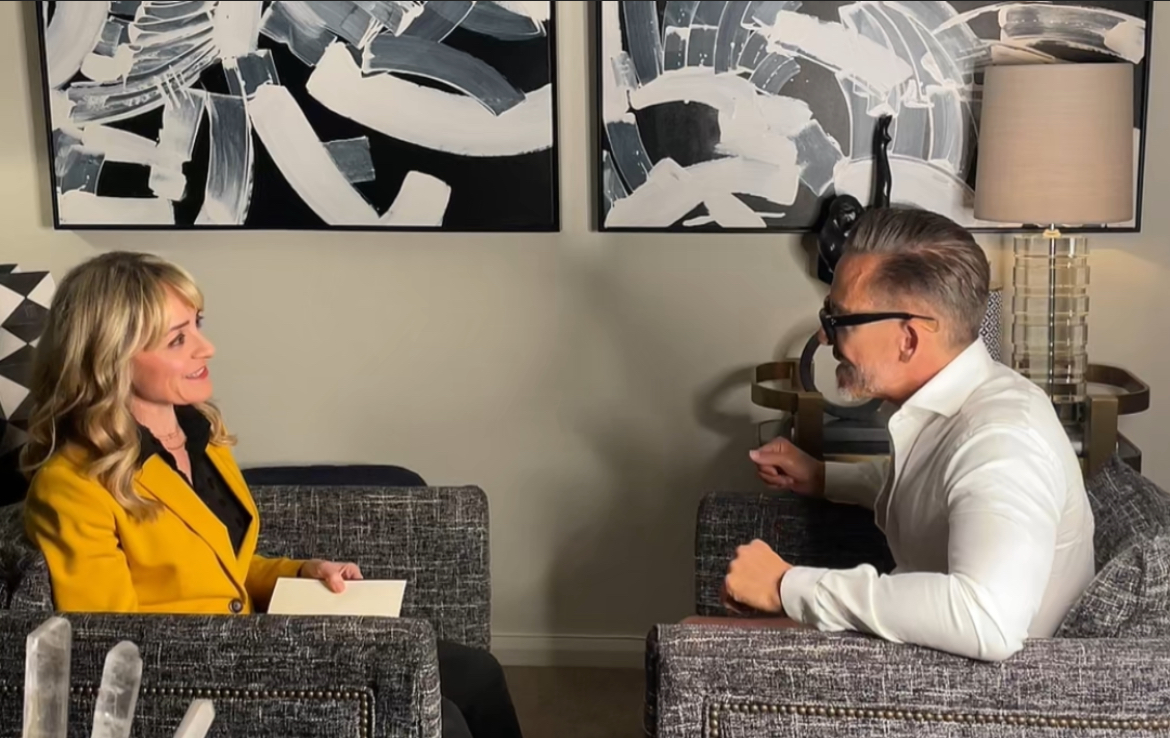
I’m a Professional Certified Coach (PCC) with over 20 years helping people reduce stress, gain clarity, and make better decisions. I use a blend of neuroscience, coaching, and intuitive intelligence to help you feel more grounded, clear, and capable in your everyday life.
You don’t have to stay overwhelmed. Your brain is built to reset — you just need the right support.

Not sure where to start?
Let’s make it simple.
Book your free 15-minute Insight Call.
It might be the most helpful 15 minutes of your week.
"She has a rare gift to see into a situation and objectively see and understand what the real issue is..."
"Silvana was an integral part of rebuilding every facet of my amazing life that I am so grateful for. For many people reading these reviews you will be thinking that Silvana is just another business coach!
If you are thinking that then you would be completely incorrect!
Sure Silvana is an accredited coach, but she is so much more! She has a rare gift to see into a situation and objectively see and understand what the real issue is, and what needs to be done for you to achieve your dreams,
your vision or your passion".
Michael T.
(Source: Google Reviews)
"I could not recommend Silvana
highly enough! "
"Before I started the program I was uninspired, confused as to how my business could continue to work as I’m getting older. I was filled with fear and never ever, ever wanted staff. Upon completion of the program I am a completely different person when it comes to my business... I have clarity in my vision. I’m motivated and excited for what’s to come, I’m constantly thinking of the growth I want to see in my business and I have passion and drive without any fear.
Jodi M.
(Source: Google Reviews)
"Working with Silvana has been one of the best investments I’ve made in my career. ..."
"Her insights, personalised structured approach, and deliberate and continuous support helped me gain clarity on my goals and successfully transition into a role that aligns with both my strengths and values. She doesn’t just offer guidance, she challenges you to grow, holds you accountable, and celebrates your wins along the way. I highly recommend Silvana to any professional looking to sharpen and enhance their personal growth and elevate their career."
Sharon M.C
(Source: Google Reviews)
"Working with Silvana has been uplifting...
"Before I started working with Silvana I was confused and lacked direction and motivation for my work and life. Now I have a clear vision and direction and know exactly what I'm working towards. I feel happier and more purposeful and optimistic knowing I have a roadmap to a future I desire. Working with Silvana has been uplifting and her knowledge in these areas has helped and inspired me so much. Very grateful for her help
Nathan M.
(Source: Google Reviews)
*Based on data from the ICF Global Coaching Study (2023)
and ICF Credential Fact Sheet (Feb 2025).
International Coaching Federation
PCC Level Credential
*Fewer Than 25% of Coaches Worldwide Meet This Standard
©2025 Silvana La Pegna. All Rights Reserved.